The decision between Automated Guided Vehicles (AGVs) and traditional forklifts is one of the most significant choices warehouse operators face when modernizing their facilities. Both have their place in modern logistics, and understanding the trade-offs is essential for making the right investment.
Understanding AGVs
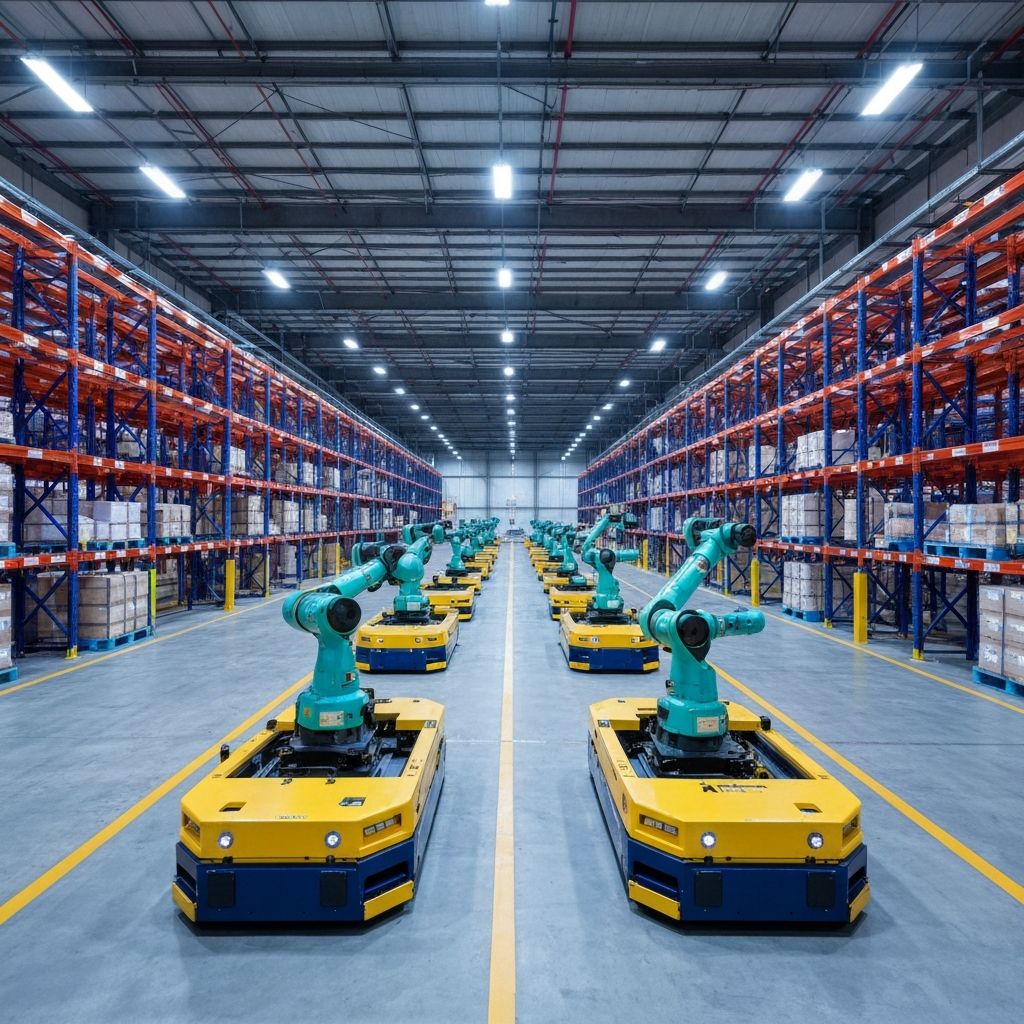
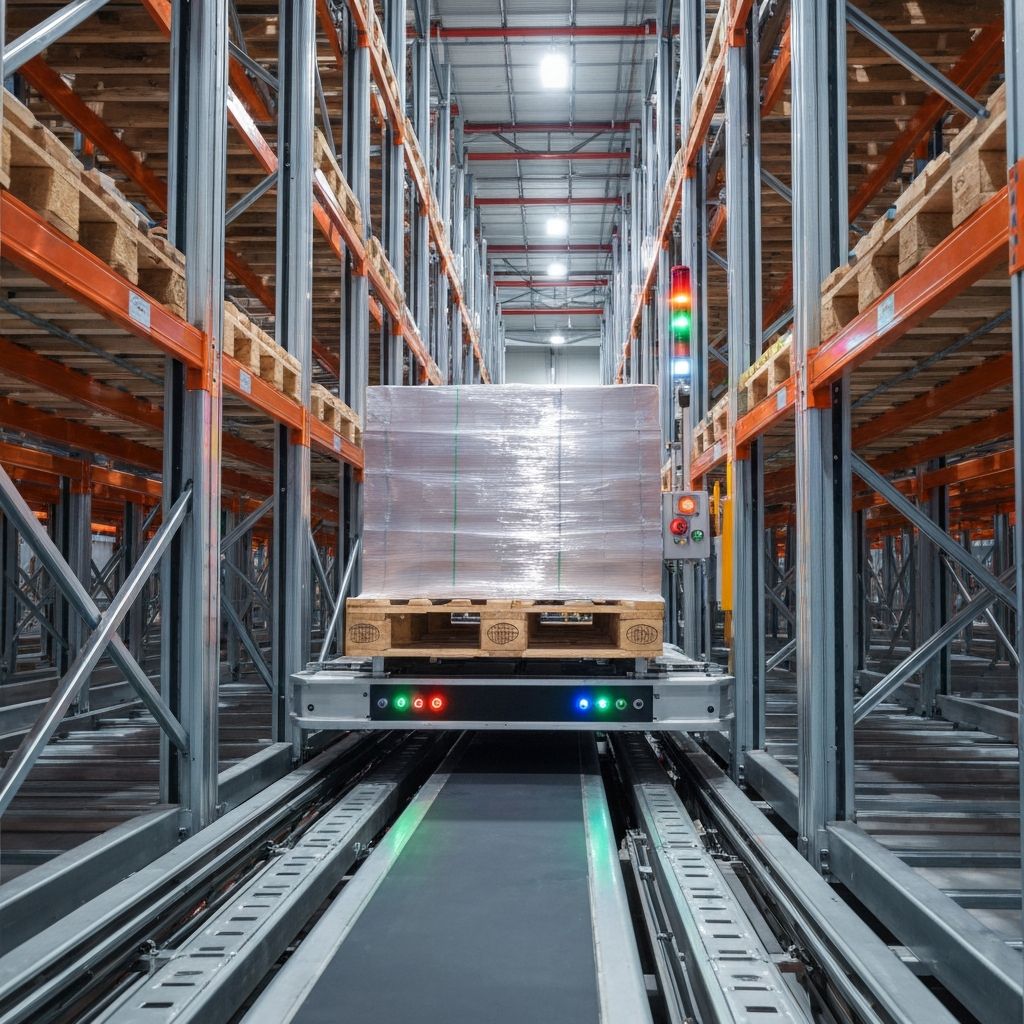
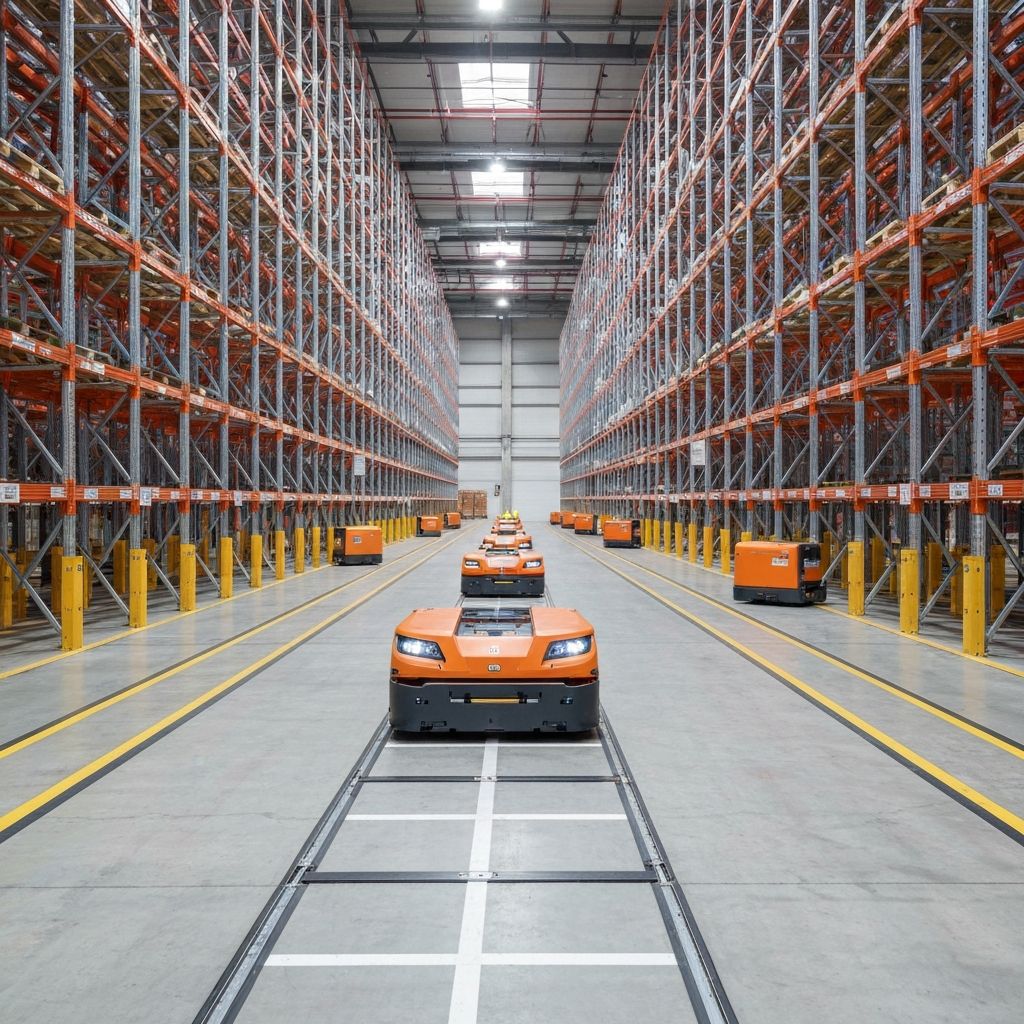
AGVs are autonomous vehicles that transport materials without human operators. Modern AGVs use a combination of technologies for navigation:
- LiDAR (Light Detection and Ranging) for environment mapping
- Natural feature navigation that doesn't require floor modifications
- Integration with fleet management software for traffic control
- Safety systems including sensors, cameras, and emergency stops
Cost Comparison
Initial Investment: AGVs typically cost 2-3x more than equivalent forklifts upfront. However, this comparison doesn't tell the whole story.
Operating Costs: AGVs operate 24/7 without breaks, sick days, or overtime. A single AGV can often replace 2-3 forklift shifts, dramatically changing the cost equation over time.
Total Cost of Ownership: Over a 7-year lifecycle, AGVs typically achieve 40-60% lower total cost of ownership compared to manned forklifts, primarily through labor savings.
When AGVs Make Sense
AGVs are typically the better choice when:
- Operations run multiple shifts or 24/7
- Material flows are predictable and repetitive
- Labor availability is a challenge
- Safety is a primary concern (AGVs have near-zero accident rates)
- Integration with other automation systems is planned
When Forklifts Still Win
Traditional forklifts remain the better choice when:
- Operations require high flexibility for varied tasks
- Facility layout changes frequently
- Volume doesn't justify automation investment
- Outdoor or rough-terrain operations are required
- Quick implementation is needed
The Hybrid Approach
Many facilities find success with a hybrid approach—using AGVs for predictable, high-volume transport routes while maintaining forklifts for flexible, varied operations. This allows operations to capture automation benefits where they make the most sense while preserving flexibility.
Making Your Decision
The right choice depends on your specific operational requirements, growth plans, and strategic objectives. Our team can help you analyze your operations and develop a material handling strategy that balances automation benefits with practical considerations.